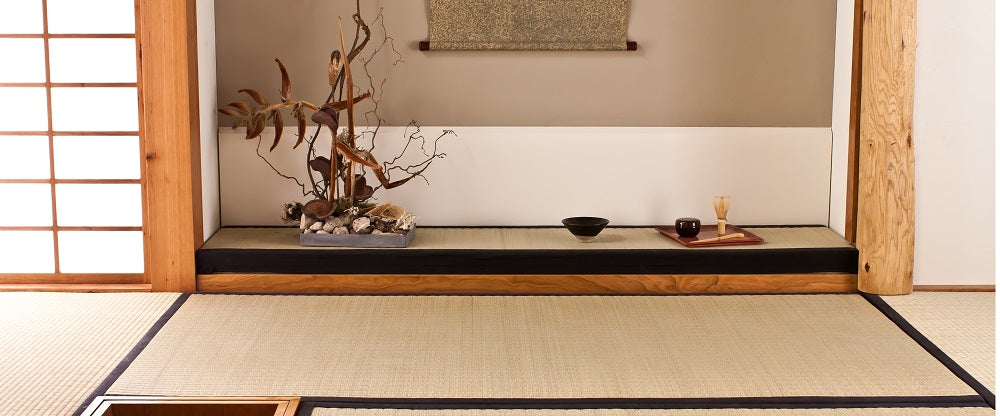
No Japanese home feels complete without a tatami room, or washitsu (和室)—a traditional multi-purpose space used for everything from dining and sleeping to gathering with family.
Unlike Western homes, where each room serves a fixed purpose, the tatami room is flexible by design. It transforms to meet the moment: a bedroom at night, a living room during the day, a dining room when meals are shared. With sliding paper doors (shoji) and minimal furniture, nothing about it is permanent—not even the flooring. This adaptability makes the tatami room both practical and symbolic: a place that embodies simplicity, warmth, and respect. Wherever there is tatami, there is home.
FAQs
What is a tatami mat and what is it used for?
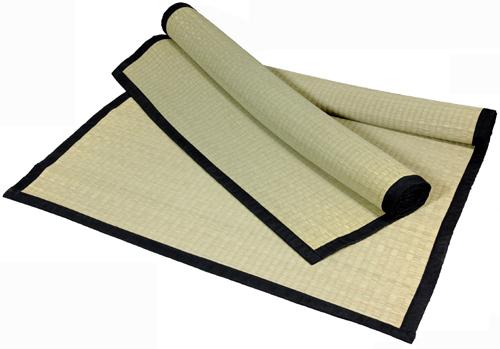
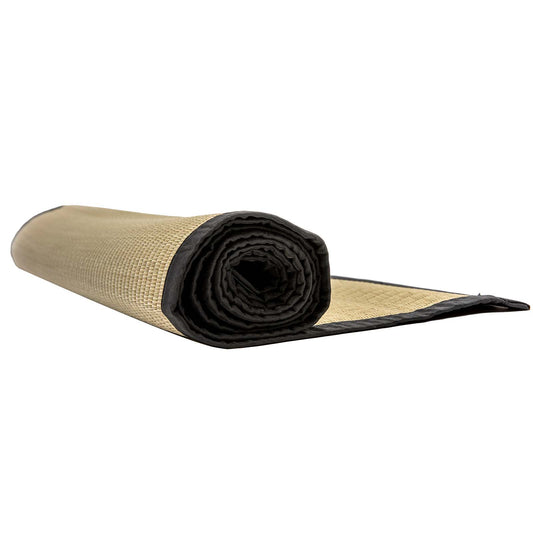
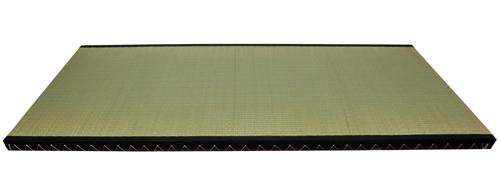
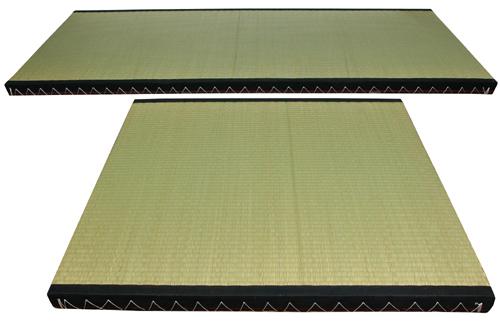
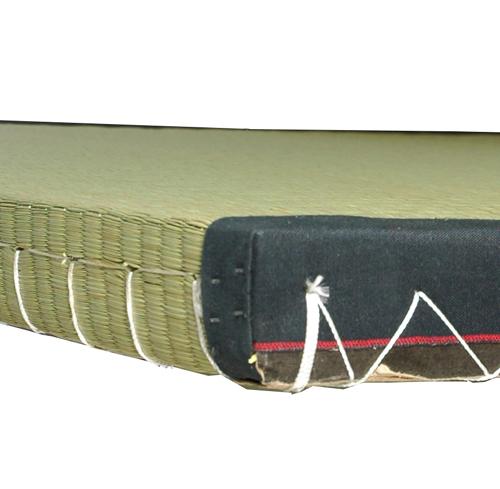
A tatami mat is a traditional Japanese floor mat made from natural rush grass (igusa) over a firm core, historically used in Japanese homes for sleeping, dining, tea ceremony, and daily living. In a modern home, tatami mats can be used as a Japanese-style bed foundation for a shikifuton, a meditation area, a yoga or stretching space, or a low-profile living room floor.
What types of uses do you want to highlight most on this page (sleep, meditation, décor, or all of the above)?
Where are J-Life tatami mats made?
The surface rush grass and core materials are sourced from Japan, where tatami craftsmanship has a long, respected history. The mats are then assembled in China using these Japanese materials and shipped to J-Life’s warehouse in Massachusetts for distribution throughout the United States.
How do I choose the right tatami mat size for my shikifuton?
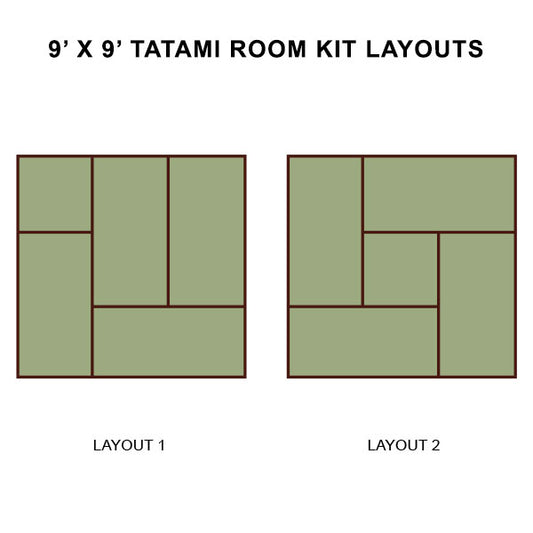
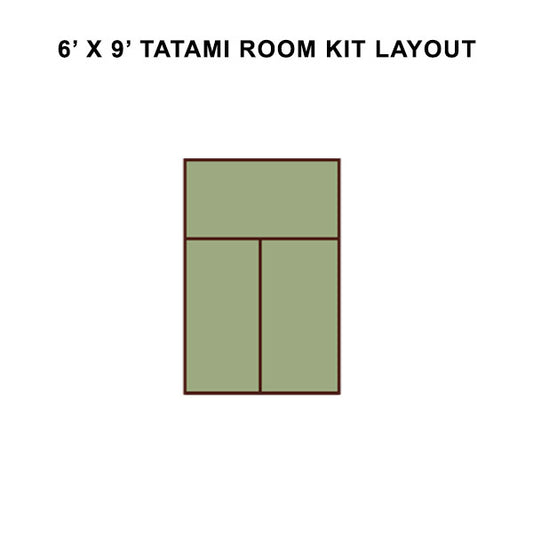
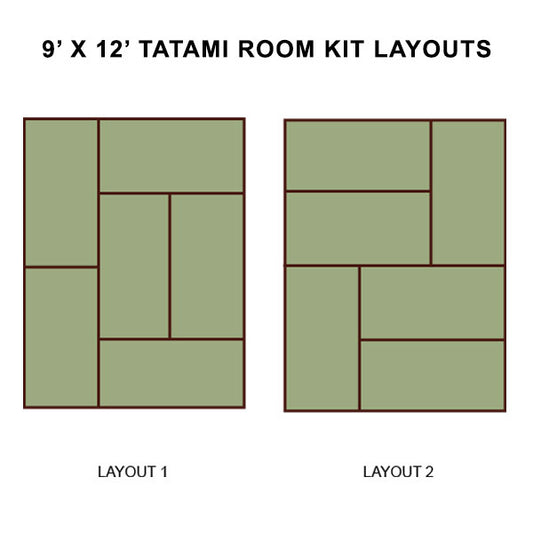
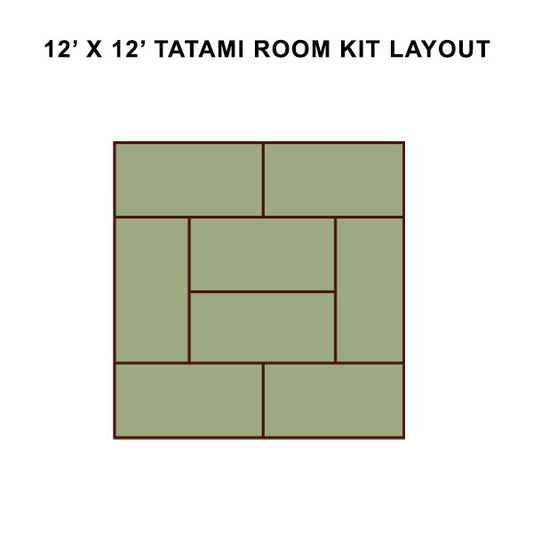
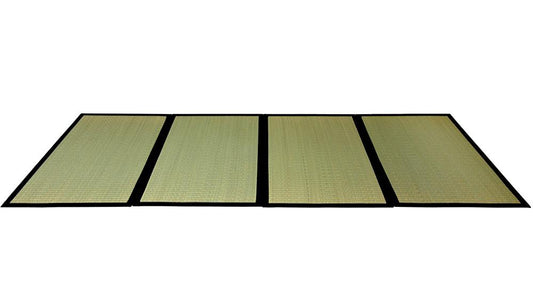
Selecting the right size depends on your futon size and how many tatami panels you want to use under the bed. J-Life’s tatami size guide shows examples of common layouts (such as two or three mats side by side) so you can build a complete Japanese Sleep System that fits your room and futon dimensions.
Can I use tatami mats as a bed foundation?
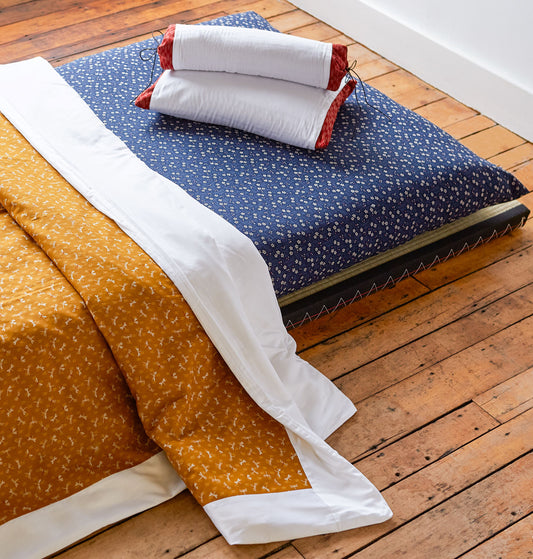
Yes, tatami mats are traditionally used as a firm, breathable foundation under a shikifuton in a Japanese Sleep System. When placed directly on the floor, tatami mats provide support, air circulation, and a naturally insulating base that works well with cotton futons.
What is a Japanese Sleep System and how do tatami mats fit in?
A Japanese Sleep System typically includes a tatami mat base, a shikifuton (Japanese mattress), and often a kakefuton (comforter) and pillows. The tatami mat acts as the foundation layer, keeping the futon off the bare floor, improving airflow, and creating a traditional low-profile sleeping surface.
Can I put tatami mats on top of carpet or directly on hardwood?
Tatami mats can be placed on hardwood, laminate, or other hard flooring, as this allows better airflow and moisture control. They can go on top of low-pile carpet, but it may feel less firm and can trap more moisture, so extra care with ventilation and occasional lifting is recommended.
Do tatami mats work in Western bedrooms and small apartments?
Yes, tatami mats adapt well to Western homes and small spaces because they can create a multi-purpose room—serving as a sleeping area at night and a living or meditation space during the day. Their modular design makes them ideal for apartments, studios, home offices, and guest rooms where flexibility and minimalism are important.
What does a tatami room (washitsu) look like?
A traditional tatami room, or washitsu, typically features tatami flooring, sliding paper doors (shoji), minimal furniture, and flexible space that can be used for sleeping, dining, or gathering. Because the room is designed to be reconfigured, tatami flooring becomes the unifying element that defines the Japanese-style interior.
How should I care for and clean my tatami mat?
Tatami should be vacuumed gently along the grain to remove dust, and any spills should be wiped up immediately with a well-wrung cloth. Regularly airing out the room and allowing airflow under and around the mats helps prevent excess moisture buildup and keeps the rush grass fresh. J-Life also offers a detailed tatami care guide with step-by-step maintenance instructions.
How long do tatami mats last?
With proper care, quality tatami mats can last many years, though the exact lifespan depends on foot traffic, humidity, and how often they are used for sleeping. Rotating mats occasionally, controlling moisture, and keeping them out of direct, strong sunlight can help extend their life and maintain their appearance.
Do tatami mats smell?
New tatami mats have a natural, grassy aroma from the igusa rush that many people associate with freshness and relaxation. This scent is strongest when the mats are new and gradually softens over time as the material ages.
Can I use tatami mats for yoga, meditation, or martial arts?
Yes, tatami mats offer a firm but slightly cushioned surface that works well for seated meditation, stretching, light yoga, and traditional Japanese practices. For higher-impact martial arts, some people add additional padding or use specialized martial-arts tatami over the top of the standard floor mats.
How do tatami mats change over time?
Over the years, tatami mats naturally change color from fresh green to a warm golden hue as the rush grass ages. This patina is considered part of their beauty and is highly valued in traditional Japanese aesthetics.
How do J-Life tatami mats compare to synthetic or foam “tatami-style” mats?
J-Life tatami mats use authentic Japanese rush grass and a straw core, which gives them the feel, scent, and performance of traditional tatami floors. Many synthetic or foam mats imitate the look of tatami but lack the same natural texture, firmness, and breathability that traditional materials provide.
Are tatami mats suitable for kids or pets?
Tatami mats are firm and resilient, but claws, sharp toys, and rough use can mark or scratch the woven rush surface. Families with pets or very active children may want to set basic rules (no shoes, no scratching) or use an additional rug in high-traffic play areas to protect the tatami.
What is the best way to start building a Japanese Sleep System with J-Life tatami?
The best starting point is to choose your shikifuton size, then use the tatami mat size guide to select the number and layout of mats that will form your bed foundation. From there, you can add a kakefuton, pillows, and accessories to complete a personalized, traditional Japanese-inspired sleep space.
To learn more, please see our tatami size guide and blog on how to build a complete Japanese Sleep System before ordering. We also have a complete tatami care guide and FAQ as well.

 Sale
Sale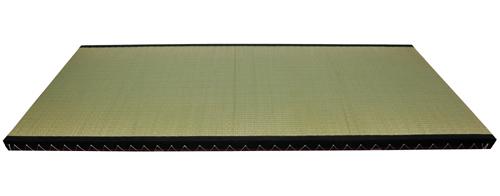
 Sale
Sale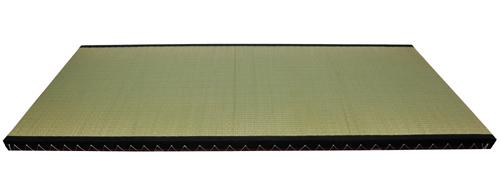
 Sale
Sale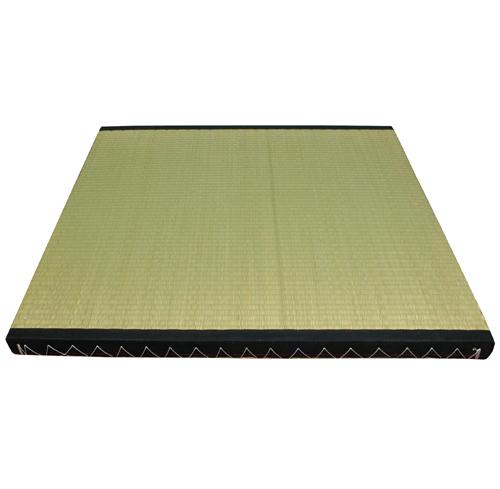
 Sale
Sale